Key takeaways
- Traditional village homes start from under €100,000, such as a two-level house in Klimatia at €92,000 in our current listings, up to restored heritage estates.
- Stone houses offer character, village life and long-term appeal that new villas rarely match.
- A restoration follows clear steps: assessment, design, approvals, building and finishes; your engineer, architect and lawyer handle the technical and legal side.
- Our team can coordinate the whole project, from the first assessment to handing you the keys.
In this guide
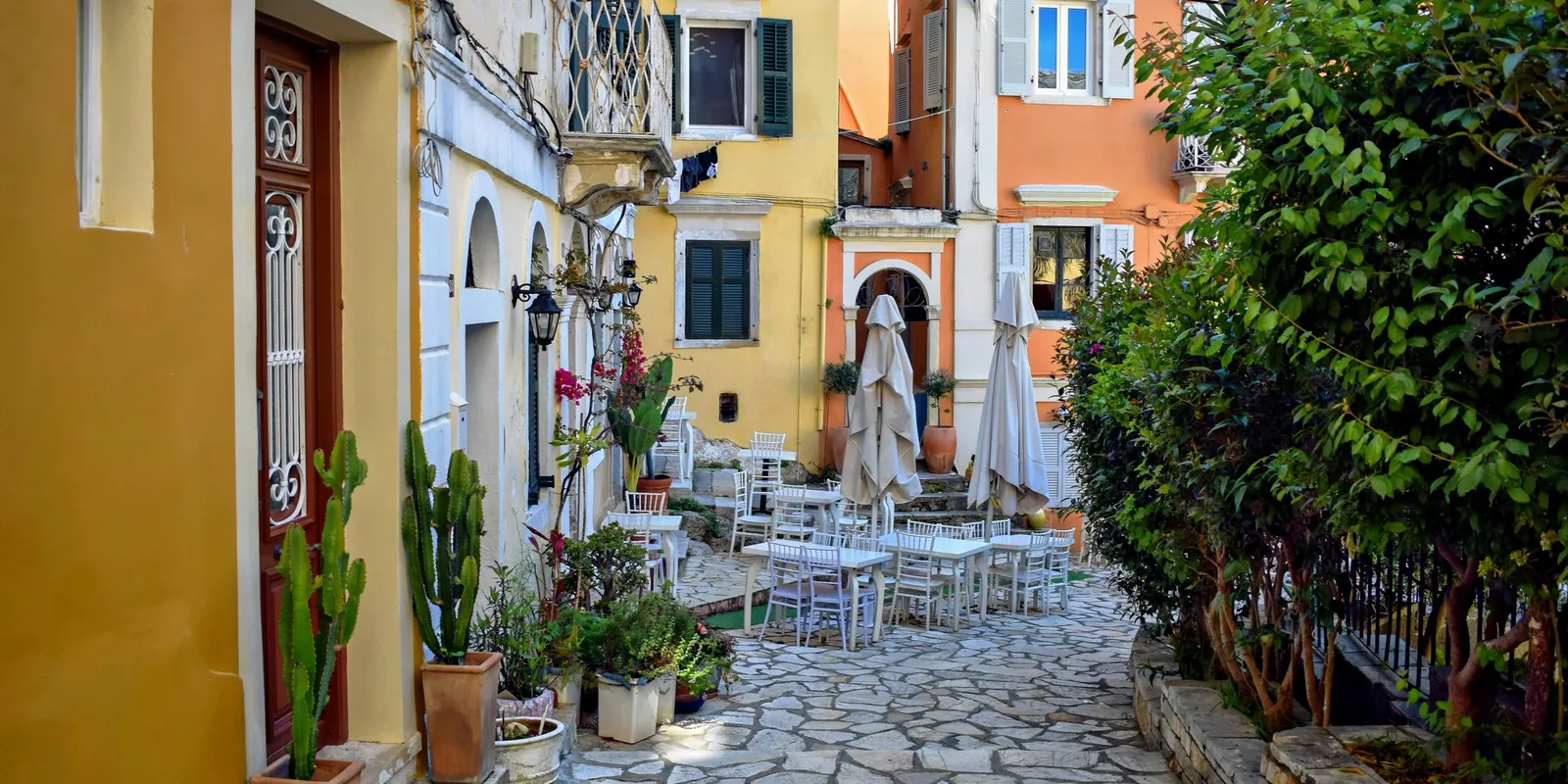
Walk through a Corfu hill village such as Doukades, Old Peritheia or Sinies and you’ll see what draws people to stone houses: walls half a metre thick that stay cool in August, arched doorways, old olive presses, courtyards shaded by vines. Many have been in the same family for generations, and each one carries a piece of the island’s story.
Bringing one back to life is a different kind of purchase from buying a finished villa. You choose the layout, the materials and the feel of the house, and you end up with a home nobody else has. This guide gives a simple, general overview of what makes stone houses special, how a restoration usually unfolds and how our team can help. It is for general guidance only; your lawyer and engineer will advise on the details of any specific house.
Why buy a stone house in Corfu?
Stone houses offer character, authenticity and a sense of place that new villas rarely match. They range from small village homes to grand country estates. In our current listings, for example, a traditional two-level village house in Klimatia is listed at €92,000, while the restored homes and heritage estate further down this guide run from €240,000 to €1.5 million. These are asking prices, and they show how wide the choice is.
Stone houses also tend to sit inside villages, which brings neighbours, a café or taverna and life all year round. For buyers who want to live in Corfu rather than just holiday there, that sense of community can be worth as much as a sea view. Our guide to living in Corfu looks at village life in more detail.
There is a long-term side too. Well-restored traditional homes are rare, and they appeal to a loyal group of buyers who look specifically for character properties. A thoughtful restoration that respects the building usually adds to its long-term value and to its appeal if you ever decide to sell.
What makes a Corfu stone house special?
Corfiot village architecture has its own style, shaped by centuries of Venetian influence and local building traditions. Look out for:
- Thick stone walls that keep rooms cool in summer and hold warmth in winter.
- Arched doorways and stone window frames, often carved by local masons.
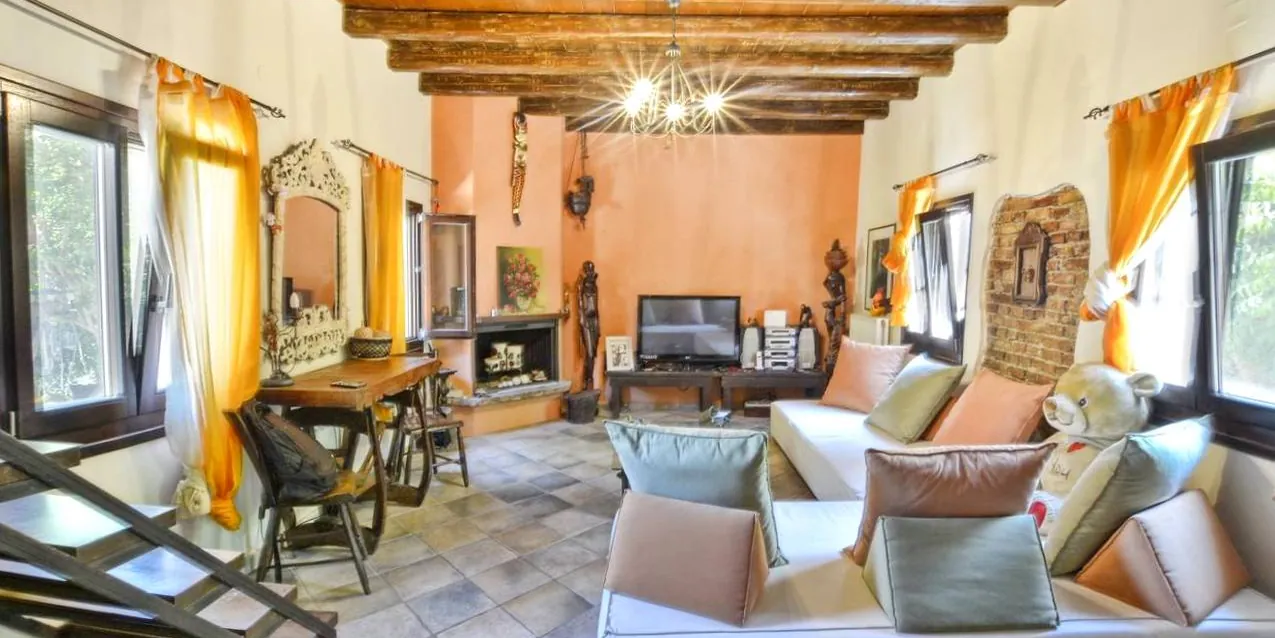
- Timber beams and tiled roofs that give interiors their warmth.
- Courtyards, terraces and pergolas for outdoor living most of the year.
- Olive presses, bread ovens and cisterns that can become striking features of the new home.
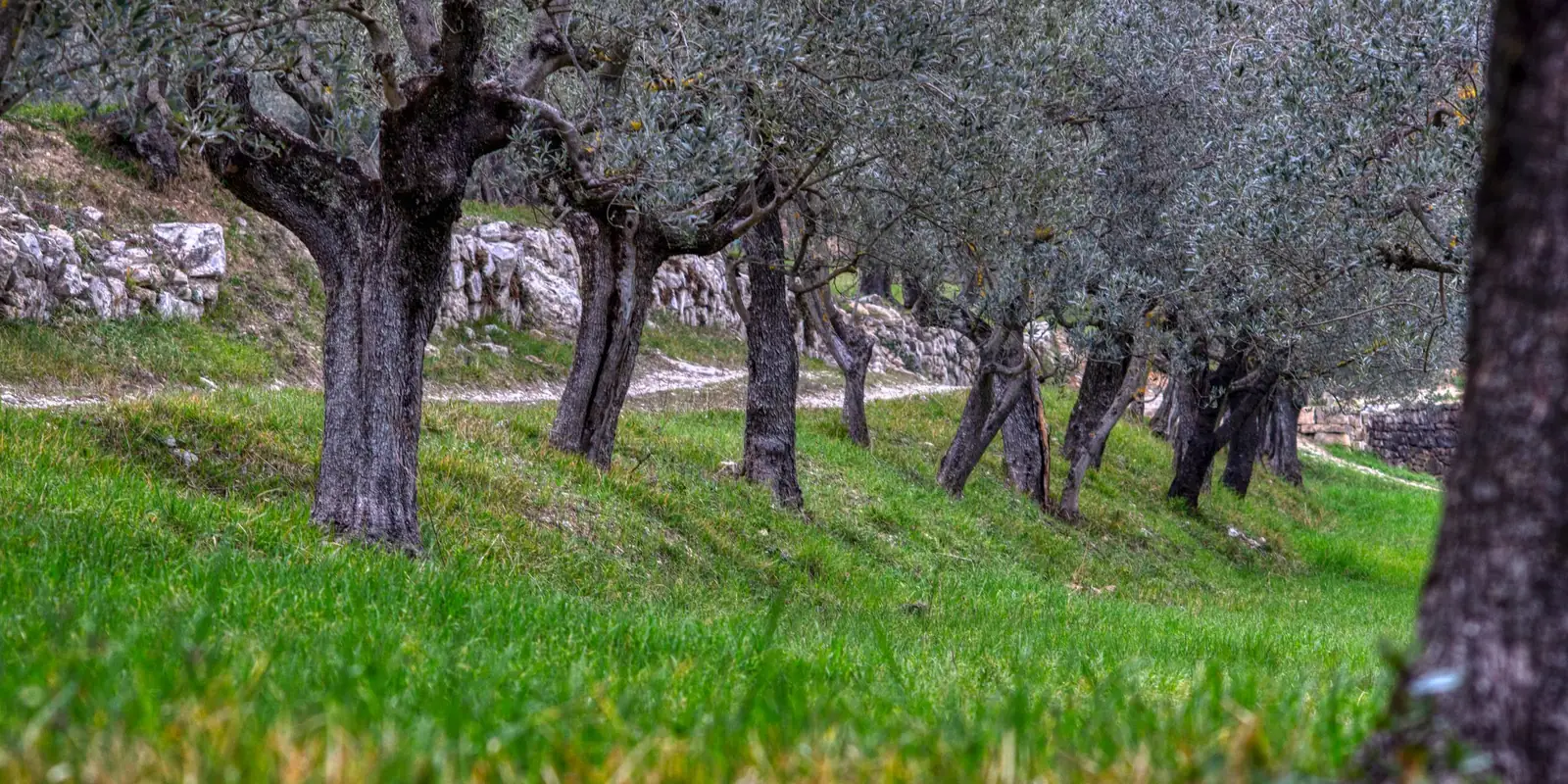
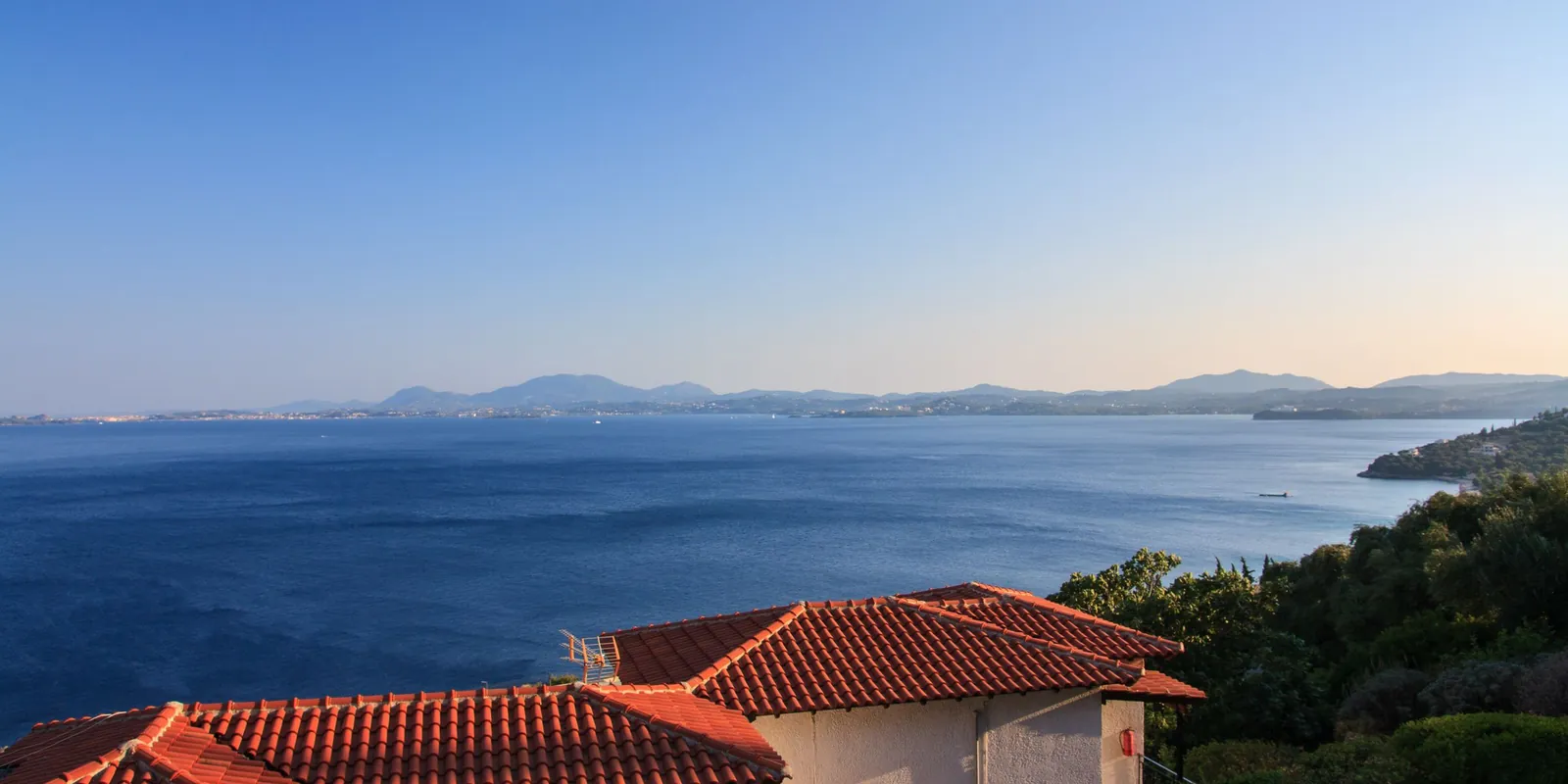
- Views over olive groves and hills, and in some villages down to the sea.
The best restorations keep these features and add modern comfort around them, so the house feels both authentic and easy to live in.
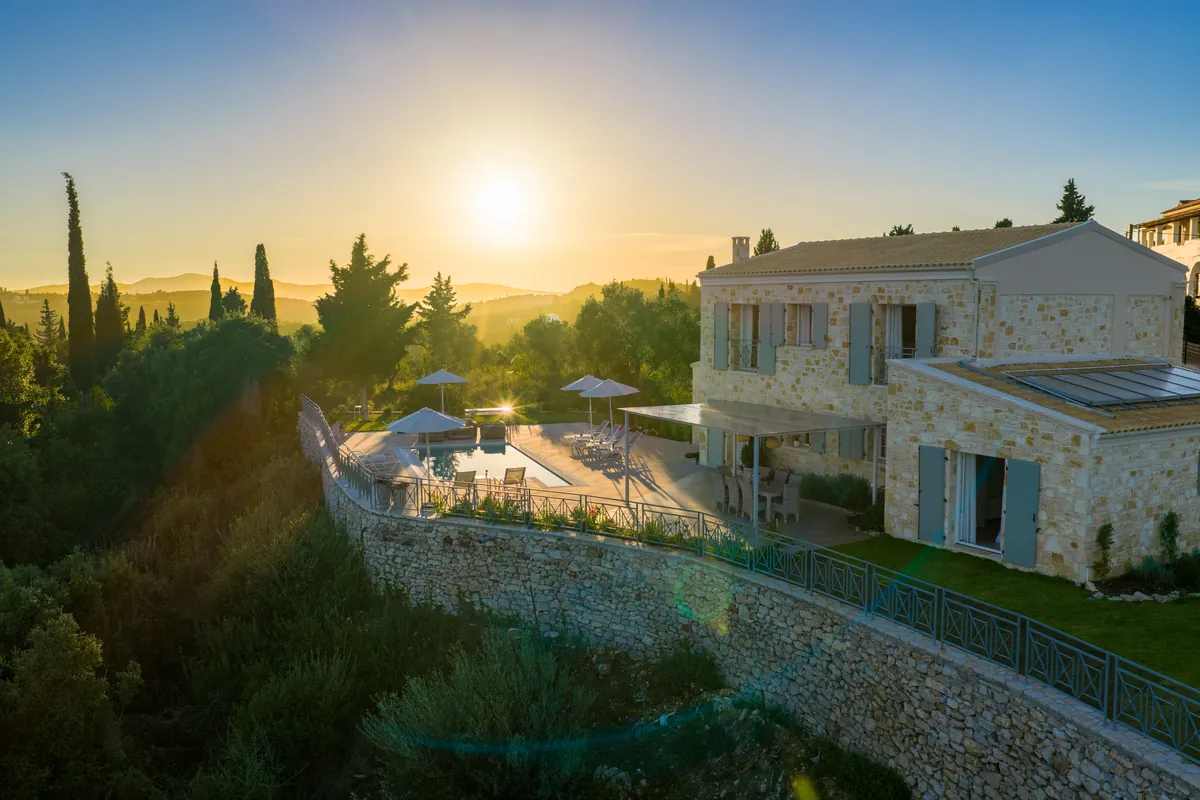
How do you spot the right stone house?
When you view a stone house, think first about the setting and the potential: the light, the views, the space around the house and how it could work for your family. The technical side is for professionals, and our team arranges the right people to look at it with you.
- Setting: the village, the neighbours, the view and how close you are to shops, beaches and Corfu Town.
- Space: room for a terrace, a garden or, where the plot allows, a pool.
- Access: how easily you, your guests and the builders can reach the house.
- Original features: what’s worth keeping and showing off.
- Overall condition: your engineer and builder assess the structure and give you a clear picture from the start.
As with any purchase in Greece, your lawyer checks the legal side of the property before you sign, and our engineers can review the building itself. Our step-by-step buyer’s guide explains how the purchase works.
How does a restoration usually run?
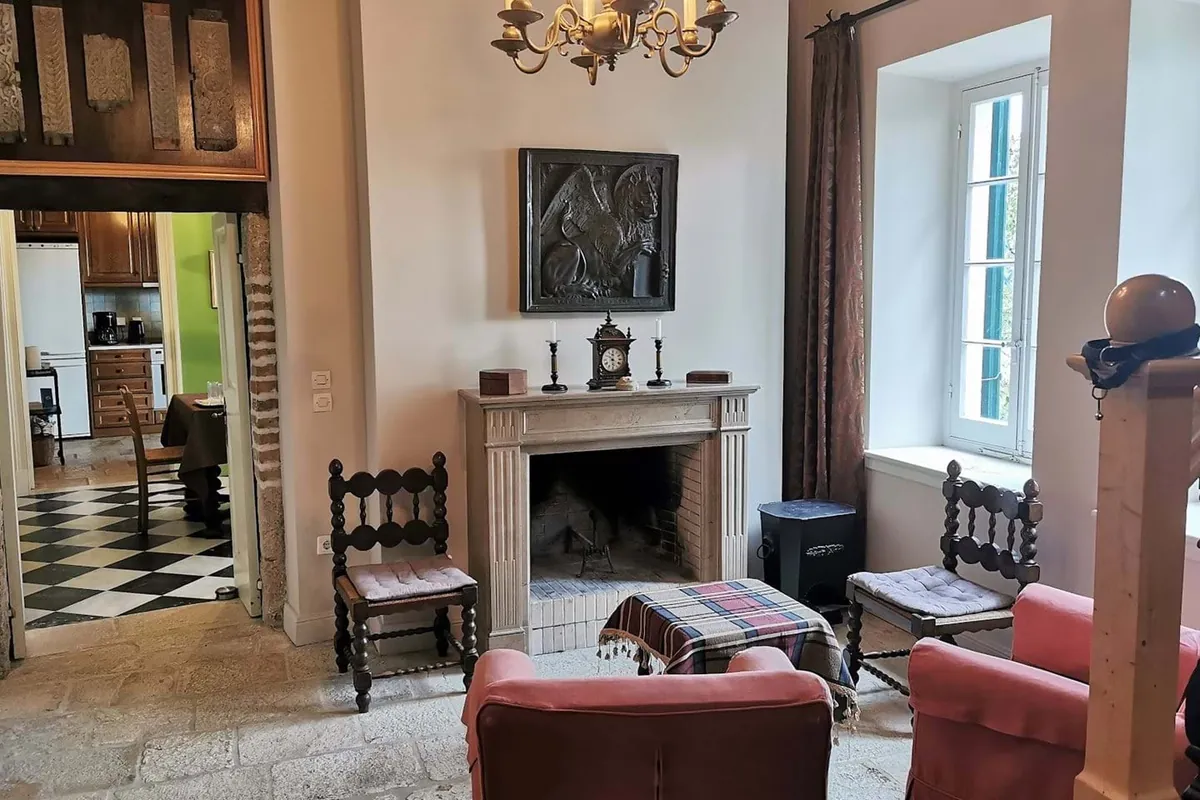
Every project has its own story, and most restorations follow a clear path. Our team and the professionals we work with take care of the technical and administrative steps, so you can focus on how you want the house to feel.
- Assessment: engineers and builders study the house and map out its potential.
- Design: an architect familiar with stone buildings plans the layout, keeping original features wherever possible.
- Approvals: your engineer and architect handle the necessary approvals for the planned work.
- Building works: roof, walls and structure first, then services, windows and insulation.
- Finishes: lime plasters, timber, local stone and tiles that suit the house.
- Outside: terraces, garden and, where the plot allows, a pool. See our guide to pool villas.
A well-planned project usually starts with design work in autumn and winter, building through spring, and a house ready to enjoy the following summer. Larger houses and protected buildings receive the extra time their craftsmanship deserves.
Choose the right team
The quality of a restoration depends on the people doing it. Builders and architects who know stone houses use traditional materials such as lime plasters, which let the old walls breathe, and know how to bring in modern comfort, from heat pumps to good insulation, without losing the house’s character.
How do traditional villages protect your home’s setting?
Some Corfu villages are protected as traditional settlements, and Corfu Old Town is a UNESCO World Heritage Site with its own rules. These rules protect what makes the villages beautiful: the materials, colours, windows and roofs. For owners, they mean the street around the house keeps its character too. Your architect designs the restoration in harmony with them. Our guide to buying in Corfu Old Town explains how this works in town.
Restoring a listed or heritage building can also be a route to the Greek Golden Visa at €250,000, rather than the higher thresholds that apply to most purchases on Corfu. Your lawyer and our team identify which buildings qualify.
Stone houses currently for sale
Three traditional properties from our portfolio show the range, from a converted olive mill to a heritage estate and a village house with sea views:
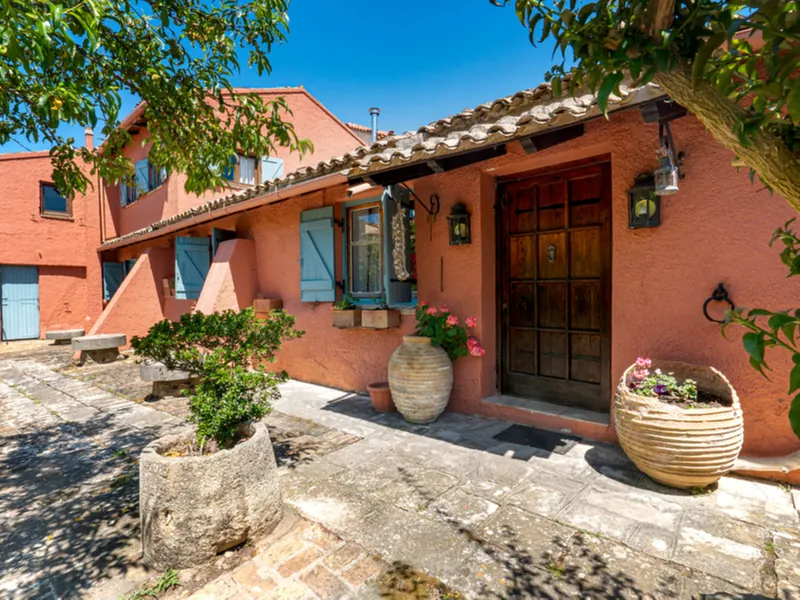 €750,000A Historic Olive Mill Residence Reimagined for Modern Living, Analipsi Central3 bed · 230 m² · plot 1,050 m² · RR7401
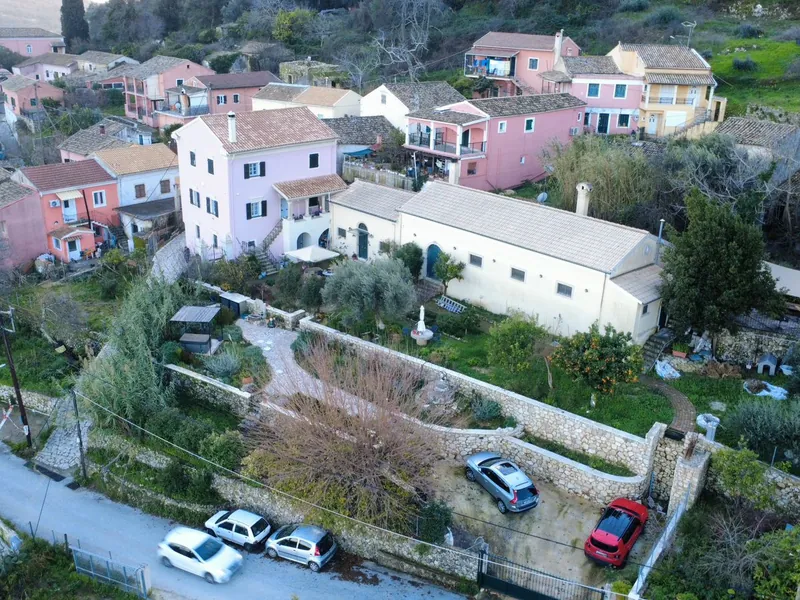 €1,500,000Unique Heritage Estate in the Heart of Doukades, Corfu4 bed · 485 m² · plot 1,800 m² · RR7461
 €240,000Charming Traditional House with Sea Views near Acharavi, North2 bed · 149 m² · plot 100 m² · RR7498
If you’d love the result without managing builders yourself, our team can coordinate the whole project, from the first assessment to handing you the keys, through our custom-built homes and renovation service. And if a plot appeals more than an old house, our guide to buying land covers that option.
Frequently asked questions
Can you still find a stone house in Corfu at a good price?
Yes. Our current listings include, for example, a traditional village house in Klimatia at €92,000 and a renovated village house in Velonades at €99,950, while restored homes and heritage estates reach higher prices. These are asking prices from our portfolio and show the range of choice.
What makes Corfu stone houses special?
Thick stone walls that stay cool in summer, arched doorways, timber beams, courtyards and features such as olive presses and bread ovens. Many sit inside villages with life all year round, and the best restorations keep these features while adding modern comfort.
Who takes care of permits and approvals for a restoration?
Your engineer and architect handle the approvals needed for the planned work, and your lawyer checks the legal side of the property before you buy. Our team works with experienced professionals and can coordinate the whole process for you.
How long does it take to restore a stone house in Corfu?
A well-planned project usually starts with design in autumn and winter, building works in spring and a house ready to enjoy the following summer. Larger houses and protected buildings receive the extra time their craftsmanship deserves.
Can restoring a listed building help with the Golden Visa?
Restoring a listed or heritage building can be a route to the Greek Golden Visa at €250,000, rather than the higher thresholds that apply to most purchases on Corfu. Your lawyer and our team identify which buildings qualify.

Founded in 2003 by Roula Rouva, our company brings more than 23 years of experience in the Greek real estate market, specializing in premium and ultra-premium residential properties, investment opportunities, hospitality assets, and development projects. As the exclusive representative of Forbes Global Properties in Greece, we combine deep local expertise with international reach. With offices in Athens, Corfu (Corfu Town, Dafni, and Arillas), and Paxos (Lakka), our professional ecosystem includes a core team of 50 specialized professionals, a network of 80+ lawyers, more than 50 certified translators, and trusted legal and tax partners. Our approach goes beyond transactions, focusing on lifestyle, personalized service, and long-term value.
Sources
- Roula Rouva | Forbes Global Properties, Corfu and Paxos property listings (example homes, asking prices as listed), retrieved 2026-10-20
- Naftemporiki, Greece raises Golden Visa investment sum (22 March 2024), retrieved 2026-10-21
The information provided in this article is for general informational purposes only and does not constitute legal, tax, financial, or investment advice. For advice tailored to your specific circumstances and further clarification, please contact our team or consult the relevant qualified professional.